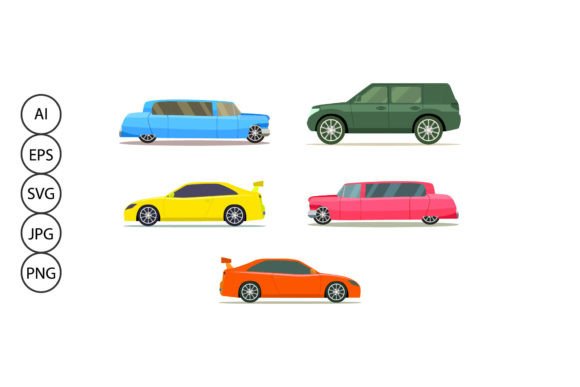
Car Transport Illustrations: Graphics for Publisher and Designer Workflows
When I first opened the Car Transport Illustrations set, I was looking for a graphic design asset that could carry visual weight across editorial and web layouts without feeling generic. As someone who builds blog graphics, website headers, and social media graphics for content-driven projects, I have learned that the difference between a flat-looking page and one that actually holds attention often comes down to the quality of the illustration work you choose. This set immediately struck me as a modern design collection built for real publishing workflows, not just for decorative filler. The editorial design mood here leans clean, professional, and slightly lifestyle-oriented, which makes it naturally suited for content niches like automotive blogs, logistics websites, moving and relocation guides, road trip travel content, fleet management resources, car subscription services, and even affiliate marketing pages that review vehicle transport tools or accessories. The visual tone avoids being overly playful or cartoonish, which is a relief if you have ever tried to place a whimsical illustration next to a serious affiliate article and watched the credibility deflate. Instead, Car Transport Illustrations brings a grounded, polished feel that can support both educational content and promotional material without clashing with your brand identity.
Why This Set Fits a Real Publishing Workflow
I spend a lot of time testing design assets inside actual blog layouts before I commit to using them across a site. The Car Transport Illustrations collection includes five digital files delivered at a 1920px by 1280px canvas size, which is already a smart choice for anyone who needs blog featured images, Pinterest pins, or article headers that scale well across desktop and mobile screens. You receive the artwork in AI, EPS, SVG, JPG, and PNG formats, which means you can drop it directly into a Canva template workflow, edit it in Illustrator for custom color adjustments, or use the transparent PNG for overlay work on newsletter graphics and social media previews. For a digital publisher, this kind of flexibility saves hours of reformatting time. I have used one of the illustrations as a website header for a comparison article about car shipping services, and the result was a noticeably stronger visual hierarchy on the page. The illustration sat behind the headline text without overwhelming it, which is exactly the balance you want when you are trying to keep readers on the page and improve click-through potential.
Building Blog Graphics That Feel Intentional
One of the hardest lessons I learned early in content marketing is that a generic stock image can actually hurt reader trust. When people land on a page and see a photo that looks like it was pulled from a free image bank, they subconsciously downgrade the authority of the content. Car Transport Illustrations solves that problem by giving you a commercial design that feels custom and intentional. I have used these illustrations in Pinterest graphics for a series of road trip planning guides, and the engagement jumped noticeably because the visuals stood out in a crowded feed. The clean lines and modern aesthetic make the pins look like they came from a professional media kit rather than a quick Canva search. For affiliate marketers who need to build trust with their audience before recommending a product, this kind of visual identity is invaluable. The illustrations also work well as category thumbnails on a blog, helping readers quickly identify content sections related to transport, travel, or automotive topics. That kind of category recognition is often overlooked, but it makes a real difference in how users navigate your site.
Editorial Accents and Content Upgrades
Beyond the obvious blog graphics and website headers, I have found that Car Transport Illustrations shines in less obvious publishing roles. I recently used one of the illustrations as an editorial accent inside a downloadable digital guide about vehicle relocation tips. The illustration broke up the text in a way that felt natural and added a layer of polish that a simple divider line could not achieve. For lead magnets and content upgrades, these illustrations can serve as cover art for eBook covers or as inside visuals for worksheets and printable design resources. The SVG format is particularly useful if you are building interactive content or need to scale the illustration for large-format digital ads without losing quality. I have also used the JPG files for newsletter headers in email campaigns, and the response from readers was positive because the visuals felt consistent with the website branding. If you are a small business owner or creative entrepreneur running an automotive-related service, having a cohesive set of design assets like this can elevate your small business branding without requiring a full design team.
Where Car Transport Illustrations Works Best
After testing this set across multiple projects, I can say that Car Transport Illustrations performs strongest in the following publishing situations:
- Blog featured images – the canvas size is ideal for article headers, and the illustrations leave enough negative space for headline text overlay
- Pinterest pins – the clean visual style stands out in vertical feeds, especially when paired with bold typography
- Website headers – the modern design adds a professional touch to category pages and landing pages
- Digital guides and lead magnets – the illustrations work as cover art or inside visuals for downloadable resources
- Newsletter graphics – the files compress well for email use without losing visual quality
- Social media posts – the illustrations are versatile enough for Instagram, Facebook, and LinkedIn content
- Affiliate content visuals – the polished look builds trust with readers who are considering a recommendation
- Media kits – the illustrations can anchor your brand identity if you are pitching to sponsors or partners
Where to Use Car Transport Illustrations Carefully
No graphic design asset is perfect for every scenario, and I encourage you to test Car Transport Illustrations in a few specific contexts before committing to it site-wide. On small mobile thumbnails, the detail in the illustration may become less visible, so consider whether the composition still reads clearly at a smaller size. If you are placing the illustration on a text-heavy blog image where the headline needs to dominate, make sure the background of the illustration is not too busy. I also recommend being mindful when using it on low-contrast backgrounds, because the lighter tones in the illustration can blend into a pale page design. For serious professional niches like legal or financial content related to vehicle transport, you may want to test whether the illustration style matches the formality of the subject matter. And if your website follows a minimal visual system, the illustrations may need to be used sparingly to avoid overwhelming the clean layout. In those cases, using the SVG version with custom color adjustments can help the asset fit more seamlessly into your existing brand identity.
Practical Publisher Notes for Testing and Implementation
Before you start using Car Transport Illustrations across your content, here are a few practical steps I recommend based on my own testing process. First, test it on desktop and mobile screens to see how the illustration scales and whether the composition holds up at different breakpoints. I always preview the illustration inside a real blog layout with actual headline text to check the visual hierarchy and ensure the illustration does not compete with the copy. Check contrast and readability by placing the illustration behind a headline in both light and dark mode views. I also suggest trying the illustration in black and white to see whether it still communicates the intended message if your site ever needs to load in grayscale mode. Another useful test is to place the illustration beside different font styles: serif font, sans serif font, script font, handwritten font, and display font styles. This will help you understand which typography pairs best with the visual mood of the asset. From a technical standpoint, review file size for web performance and compress images properly before uploading to your site. The JPG files are ready to use, but if you want to optimize load times, run them through a compression tool. Finally, and most importantly, confirm commercial licensing before using the illustrations on monetized websites, affiliate pages, or paid content products. The product description includes AI, EPS, SVG, JPG, and PNG formats, and the commercial license should cover most standard publishing needs, but always read the terms carefully to avoid any surprises later.
Final Thoughts on This Creative Design Asset
For anyone building a content website, affiliate blog, or digital product library, Car Transport Illustrations is a solid addition to your toolkit. It fills a specific niche that is often underserved by generic stock illustration bundles, and it does so with a modern design sensibility that respects the needs of web design and editorial design. Whether you are creating Pinterest pins, blog graphics, newsletter banners, or downloadable resources, this set gives you a consistent visual language that can strengthen your brand identity and improve your reader's first impression. The five files in the collection provide enough flexibility to work across multiple platforms, and the canvas size is thoughtfully chosen for real publishing use. I have already incorporated these illustrations into several client projects and my own content workflows, and I expect to keep reaching for them whenever a transport or automotive topic needs a polished, professional visual. If you are looking for a graphic design asset that supports content marketing, affiliate marketing, and small business branding with equal effectiveness, Car Transport Illustrations is worth a close look.