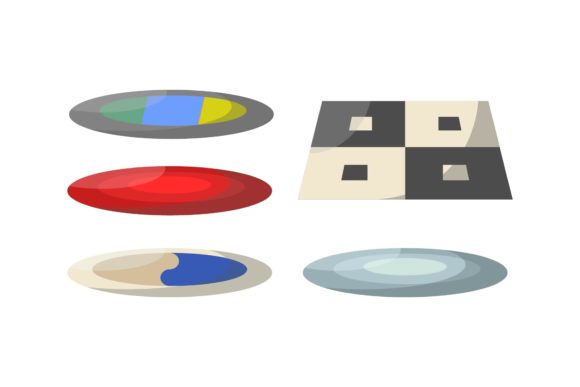
Musical Instrument Timpani Illustrations & Graphics
When I first opened the Musical Instrument Timpani Illustrations pack, I was looking for a graphic design asset that could serve multiple selling channels without requiring heavy editing. As someone who has built digital product shops on Etsy, Creative Fabrica, and print-on-demand platforms, I have learned that the best assets are the ones that feel complete out of the box but flexible enough to adapt across product types. This set of timpani illustrations immediately struck me as a focused, niche-friendly option for sellers who work with music-themed collections, classroom decor, band merchandise, or orchestral branding. The visual personality leans toward clean, bold, and decorative, with enough detail to feel premium without becoming overly complex. It is not overly playful or cute, nor is it rustic or feminine. Instead, it sits comfortably in a modern, commercial-ready space that could appeal to music teachers, orchestra directors, event planners, and small business owners who need professional-looking graphics for their products.
First Impressions and Niche Fit
The moment I previewed the Musical Instrument Timpani Illustrations, I noticed the mood was confident and structured. The timpani is a distinctive instrument, and this asset captures its form in a way that feels both accurate and stylized enough for decorative use. This is not a throwaway clipart set. It has a deliberate visual hierarchy that makes it suitable for hero images on product listings, branding elements in a music-themed shop, or as a focal point in a larger design bundle. The niche appeal is clear: anyone selling to music educators, orchestral performers, band parents, or event organizers will find this asset useful. It also works well for sellers who create content around classical music, percussion education, or formal concert programs. The asset does not try to be everything to everyone, which is a strength. It knows its audience and serves it well.
Testing the Asset for Real Products
Before I add any digital product to my shop, I run it through a series of practical tests. I started with the Musical Instrument Timpani Illustrations by placing it into a mockup for a t-shirt design. The bold lines and clear silhouette held up well on a dark garment, and the contrast was strong enough to read at thumbnail size. I then tested it as a mug design using a product mockup tool, and the illustration scaled nicely without losing detail. The PNG file came with a transparent background, which made layering onto different backgrounds smooth. I also imported the SVG into Cricut Design Space to see how it would behave as a cut file. The paths were clean, and there were no stray nodes or overlapping shapes that would cause issues during cutting. This is important for anyone selling physical products like vinyl decals, iron-on transfers, or stencils. The DXF format worked well too, which is a good sign for Silhouette users. The AI and EPS files opened without errors in Adobe Illustrator, and the JPG version provided a quick preview for listing images. The canvas size of 1920 by 1280 pixels is generous enough for large product previews, yet manageable for uploading to most marketplaces.
Where This Design Shines in a Product Line
I found that the Musical Instrument Timpani Illustrations performs best in products where the illustration can take center stage or serve as a repeating motif. For example, this asset works beautifully as a sublimation design on tote bags, tumblers, and fabric items where the instrument shape can be the hero element. It also fits well into printable wall art sets, especially for music studios, practice rooms, or classroom decor. The clean lines make it a strong candidate for sticker designs, both as stand-alone decals and as part of a larger music-themed sticker pack. I can see this asset being used in invitation templates for orchestra concerts, recitals, or music award ceremonies. It also works well as a graphic element in Canva templates for social media posts, event flyers, or promotional visuals. For sellers who build digital paper packs or scrapbooking kits, this illustration adds a sophisticated touch that pairs nicely with musical notation, instrument families, or vintage sheet music backgrounds. The design also supports brand identity work for small music businesses, such as logos, packaging labels, or business card graphics. The perceived value of the asset is high enough that it can elevate a simple product listing into something that looks carefully curated and professional.
Where to Exercise Caution
No asset is perfect for every use case, and I always advise sellers to test before committing to a full product line. With the Musical Instrument Timpani Illustrations, I noticed that the level of detail might be too much for very small products like tiny stickers, keychains, or jewelry-sized items. The illustration has clear internal lines and shapes, which could become muddy or lose clarity when scaled down below a certain size. I recommend testing at the actual print size before listing. Another area to be careful with is crowded thumbnails. If you are creating a product bundle with multiple illustrations, the timpani design may need breathing room to stand out. On a busy background or alongside too many other elements, the visual hierarchy can get lost. I also suggest checking how the illustration looks on dark backgrounds. The default colors and line weights work well on white or light surfaces, but on dark backgrounds, you may need to adjust the colors or add a stroke to ensure the design remains readable. For Cricut and Silhouette users, always inspect the SVG cut lines before selling. While this asset had clean paths, it is a good habit to verify that no small pieces are floating or disconnected. Finally, the contrast between the instrument and the background should be tested in mockups for print-on-demand products like t-shirts, hoodies, and mugs, especially if you are using a light-colored design on a white garment.
Practical Seller Notes Before Listing
When I prepare a new asset for my shop, I follow a checklist that helps me avoid common pitfalls. For the Musical Instrument Timpani Illustrations, I recommend starting with real product mockups. Do not just rely on the flat preview. Place the design on a t-shirt, a mug, a tote bag, and a wall art frame to see how it reads in context. This also helps you create better listing images that show the design in use, which builds trust with buyers. Next, preview the design as a marketplace thumbnail. The thumbnail is often the first thing a customer sees, and it needs to be clear and compelling at a small size. I zoomed out to about 150 pixels wide to simulate how it would look in a search results page. The timpani shape was still recognizable, which is a good sign. I also tested the design on both white and dark backgrounds to see how the colors and lines held up. The PNG transparency was clean, so there were no rough edges. For print colors, I recommend doing a test print if possible, or at least previewing the file in a color-managed application. The JPG and PNG files are ready to use, but the AI and EPS files give you the ability to tweak colors if needed. I also organized the files into clearly labeled folders before uploading to my shop, and I included a simple readme file with usage notes. This is a small step that improves the customer experience and reduces support questions. Commercial licensing is another key point. I always check the license terms before selling finished products. The description indicates that the design is easy to work with and available in multiple formats, which is a good sign, but I still verify that commercial use is allowed for the products I plan to create. If you are using this asset in a design bundle, make sure the license covers redistribution of the final product. For print-on-demand, most licenses are fine as long as you are not reselling the digital files themselves.
Pairing the Asset with Fonts and Other Elements
One of the ways I maximize a graphic design asset is by pairing it with the right typography. The Musical Instrument Timpani Illustrations has a structured, decorative feel, so I tested it with several font styles. A serif font like Playfair Display or Cormorant Garamond gave the design a classic, formal look that works well for concert invitations or wall art. A sans serif font like Montserrat or Ralestone kept the design modern and clean, which is ideal for t-shirt graphics or social media templates. I also tried a script font, which added a soft, elegant contrast that could work for feminine branding or event materials. Handwritten fonts gave the design a more casual, approachable feel, while display fonts could be used for bold headlines in promotional materials. The key is to match the font mood to the product you are selling. For a music teacher's classroom poster, a bold sans serif might be best. For a recital invitation, a serif or script could elevate the perceived value. I also recommend testing the illustration with other design elements like musical notes, staff lines, or geometric borders. The timpani stands well on its own, but it can also be part of a larger composition. Just be careful not to overcrowd the layout. The illustration has a strong presence, so it works best when given space to breathe.
Final Thoughts on Adding This to Your Shop
After spending time with the Musical Instrument Timpani Illustrations, I can say that this is a solid addition to any digital product creator's toolkit, especially if you serve the music education, event, or branding niche. The six file formats and generous canvas size make it easy to use across print-on-demand, digital downloads, and craft projects. The design is professional, focused, and ready for commercial use. I have added it to my own product testing queue and am planning to use it in a music-themed bundle for back-to-school season. The key is to test it thoroughly, pair it with complementary fonts, and use it in products where the illustration can be the hero. If you are an Etsy seller, print-on-demand creator, or craft business owner looking for a timpani graphic that feels polished and versatile, this asset is worth considering. It fills a specific niche without being limiting, and it supports a wide range of product types from t-shirts and mugs to wall art and digital templates. As always, do your own testing, check the licensing, and build your product listings around the design's strengths. Done right, this illustration can help you create a more professional-looking collection that stands out in a crowded marketplace.