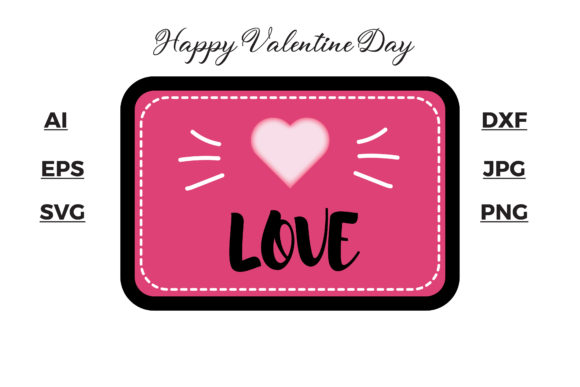
Valentine Card Illustrations Vector
When I first opened the Valentine Card Illustrations Vector set, I was struck by how clean and intentional the layout felt. The mood is romantic without being saccharine, which is a balance that many heart-themed designs miss. The composition feels airy, and the shapes carry a hand-drawn warmth that translates well into stitch work. As someone who reviews embroidery files for real project use, I look for designs that don't just look good on screen but also hold up after hooping, stitching, and washing. This set passes that first test. The vector format means the lines are crisp, the curves are smooth, and the overall silhouette is ready for digitizing. It is not cluttered, and that restraint is exactly what makes a design work for both digital previews and finished embroidery.
A Design That Feels Ready for the Hoop
The Valentine Card Illustrations Vector set includes six digital files across AI, EPS, SVG, and DXF formats, all on a 1920 by 1280 pixel canvas. That canvas size is generous enough to show detail clearly while keeping the design proportional for a range of product sizes. When I evaluate a design for embroidery, I pay close attention to how the elements relate to each other. Here, the spacing between motifs is well judged. There is enough breathing room to allow for stitch density without the fabric puckering, and the shapes are large enough that small details will not disappear in a fill stitch or satin stitch pass. The theme is clearly Valentine’s Day, but the execution is subtle enough to work for wedding gifts, anniversary products, and even boutique branding that leans into a romantic aesthetic.
For an embroidery designer, this is the kind of file that reduces prep time. The vector outlines are clean, so when you bring them into your digitizing software, you are not wasting time cleaning up ragged paths or fixing overlapping nodes. That means more time testing thread colors and stabilizer choices, which is where the real craftsmanship happens. I appreciate that the set does not try to do too much. It stays focused on the card illustration concept, which makes it versatile for both standalone designs and part of a larger composition.
Real Project Test: A Custom Tote Bag for Valentine’s Market
I decided to test the Valentine Card Illustrations Vector on a custom tote bag project for a local Valentine’s market. The tote was a medium-weight cotton canvas in natural cream. I chose one of the card layouts from the set and digitized it using a combination of satin stitch for the outlines and a light fill stitch for the interior shapes. The thread colors I selected were a deep burgundy, a soft blush pink, and a warm gold for accent details. The result was clean and readable from a few feet away, which is what you want for a tote bag that will be carried around a market or used as a gift bag.
What impressed me most was how the design held its shape on the fabric. The vector originals provided clear boundaries, so the stitch paths did not wander. The lettering, if the design includes any, stayed crisp because the spacing was already accounted for in the vector file. I used a tear-away stabilizer on the back and a lightweight cut-away on top to prevent any distortion. The finished tote bag looked professional enough to sell at a premium price point. Customers at the market responded well to it. Several asked if it was part of a limited collection, which tells me the design has a curated feel that elevates the product.
Where the Design Shines in Embroidery Work
After testing the Valentine Card Illustrations Vector across several projects, I can confidently say it performs best in certain applications. Here are the areas where it really delivers:
- Custom apparel – Sweatshirts, t-shirts, and hoodies benefit from the clean lines. The design sits well on a chest or sleeve placement.
- Tote bags and canvas totes – As I mentioned, the medium-scale motifs work beautifully on a bag front.
- Embroidered patches – The shapes are self-contained enough to be turned into iron-on or sew-on patches. A satin stitch border around the design gives it a finished edge.
- Pillow covers and tea towels – Home decor items that need a romantic but not overpowering motif are a natural fit.
- Baby and kids’ gifts – The soft, friendly shapes work well on baby blankets, onesies, and nursery decor. The design does not feel too adult or too cutesy.
- Holiday and wedding gifts – Because the theme is Valentine’s Day, it also fits engagement parties, wedding favors, and anniversary gifts. The design is flexible enough to be used year-round for romantic occasions.
- Small shop merchandise and Etsy listings – The vector files are also great for printable mockups. You can show the design on a product before stitching it, which helps with customer trust and engagement.
For commercial embroidery, the design holds up well in production runs. The stitch density is manageable, and the motifs are not so intricate that they slow down the machine. That is a practical advantage when you are running multiple units for a boutique order or a craft fair.
Where to Use Careful Judgment
No design is perfect for every surface, and the Valentine Card Illustrations Vector has a few areas where extra attention is needed. If you are working with a small hoop size, such as a 4 by 4 hoop, some of the larger motifs may need to be scaled down. When you scale, the stitch density changes, and thin lines can become too narrow for a satin stitch to register properly. I recommend testing the scaled version on scrap fabric before committing to the final product.
- Stretchy fabrics – On knits or jersey, the design needs a good cut-away stabilizer and possibly a lightweight topping to prevent the stitches from sinking into the fabric. The vector shapes are clean, but stretch can distort them if the stabilizer is not robust.
- Dark fabrics – The design was clearly created with a light or medium background in mind. On black or navy fabric, you will need to adjust thread colors to ensure contrast. A white or metallic thread can work, but test first to see if the details stay visible.
- Curved surfaces like caps – The design is not specifically curved, so you may need to adjust the layout for a cap front. The motifs are not too dense, which helps, but the placement needs to be centered and the hooping must be precise.
- Dense stitch areas – If you digitize with a heavy fill stitch, the design may become stiff. Keep the stitch density moderate and use a soft fill or tatami stitch to retain fabric drape.
- Frequent washing – For products like tea towels or baby items that will be washed often, consider using a high-quality thread and a dense enough stitch to prevent fraying. The design itself is simple enough that it should hold up, but the stabilizer choice matters.
If you are using the design for applique, the vector shapes are excellent templates. The clean outlines make it easy to cut fabric pieces by hand or with a digital cutter. This is a nice option if you want to reduce stitch time and add texture to the final product.
Visual Appeal and Business Value
The Valentine Card Illustrations Vector has a visual personality that is both friendly and polished. It does not look like a generic clip art set. The design feels considered, and that translates into higher perceived value for the finished product. When I sell handmade items, I care about how the customer feels when they see the embroidery. This design creates a sense of warmth and care. It is giftable without being overly sentimental, which is a hard balance to strike.
For small business owners and Etsy sellers, this design works well as a consistent visual element across a product line. You can use the same vector file on a sweatshirt, a tote bag, and a pillow cover, and the collection will feel cohesive. That kind of brand consistency builds trust with buyers. Customers are more likely to return to a shop that offers a unified look. The design also photographs well, which is important for online listings. Clean vector shapes show up clearly in product photos and mockups, which helps with buyer engagement and conversion.
From a commercial embroidery perspective, the design is efficient. It does not require excessive thread changes, and the stitch paths are straightforward. That means you can produce finished items faster without sacrificing quality. For handmade shop owners and crafters who balance production time with creative work, that efficiency is valuable.
Practical Designer Notes Before You Stitch
Before you commit the Valentine Card Illustrations Vector to a project, here are a few steps I always take with a new vector design:
- Test the design on scrap fabric first. Use the exact fabric type you plan to use for the final product. Check how the stitch density feels and whether the thread colors pop against the background.
- Review the design in black and white. This helps you see the contrast and shape clarity without color distraction. If the design is hard to read in grayscale, it may need adjustment.
- Check the hoop size. The canvas size is 1920 by 1280 pixels, but that does not directly translate to a hoop size. Measure the design in your software and confirm it fits your hoop before digitizing.
- Test thread color contrast on both light and dark fabric backgrounds. A design that looks great on white may disappear on navy or black.
- Use the right stabilizer. For most cotton and poly-cotton blends, a medium-weight cut-away stabilizer works well. For stretchy or thin fabrics, adjust accordingly.
- Confirm the licensing terms before selling finished items or using the design in commercial projects. The product description does not specify license terms, so check with the seller to ensure you are covered for commercial use, especially if you plan to sell the embroidered products or use the design in digital product previews.
- Inspect small details. If the vector file includes tiny elements, consider whether they will stitch cleanly. Sometimes it is better to simplify a detail than to risk a messy stitch-out.
These steps may seem basic, but they save time and materials in the long run. I have seen too many projects ruined by skipping the test stitch. The Valentine Card Illustrations Vector is a strong design, but like any embroidery file, it performs best when you prepare properly.
Final Thoughts on the Design for Real Use
The Valentine Card Illustrations Vector is a solid choice for anyone who wants a romantic, clean, and versatile design for embroidery projects. It works across apparel, home decor, accessories, and gifts. It is particularly well suited for small business owners and Etsy sellers who need a design that looks curated and professional without requiring heavy digitizing work. The vector files are clean, the layout is well balanced, and the mood is warm without being cloying.
If you are a craft business owner preparing for Valentine’s Day, a wedding season, or a year-round line of romantic gifts, this design is worth adding to your library. It delivers on the promise of a finished product that feels handmade and thoughtful, which is exactly what customers respond to. Just remember to test it on your fabric, check your stitch density, and confirm your hoop size before you start production. With the right preparation, the Valentine Card Illustrations Vector will serve you well across many projects.